Assets and Trading Instruments Available on Stockity
Get to know the types of assets and instruments commonly offered by trading platforms such as Stockity, the characteristics of each, and how to choose according to your risk profile.
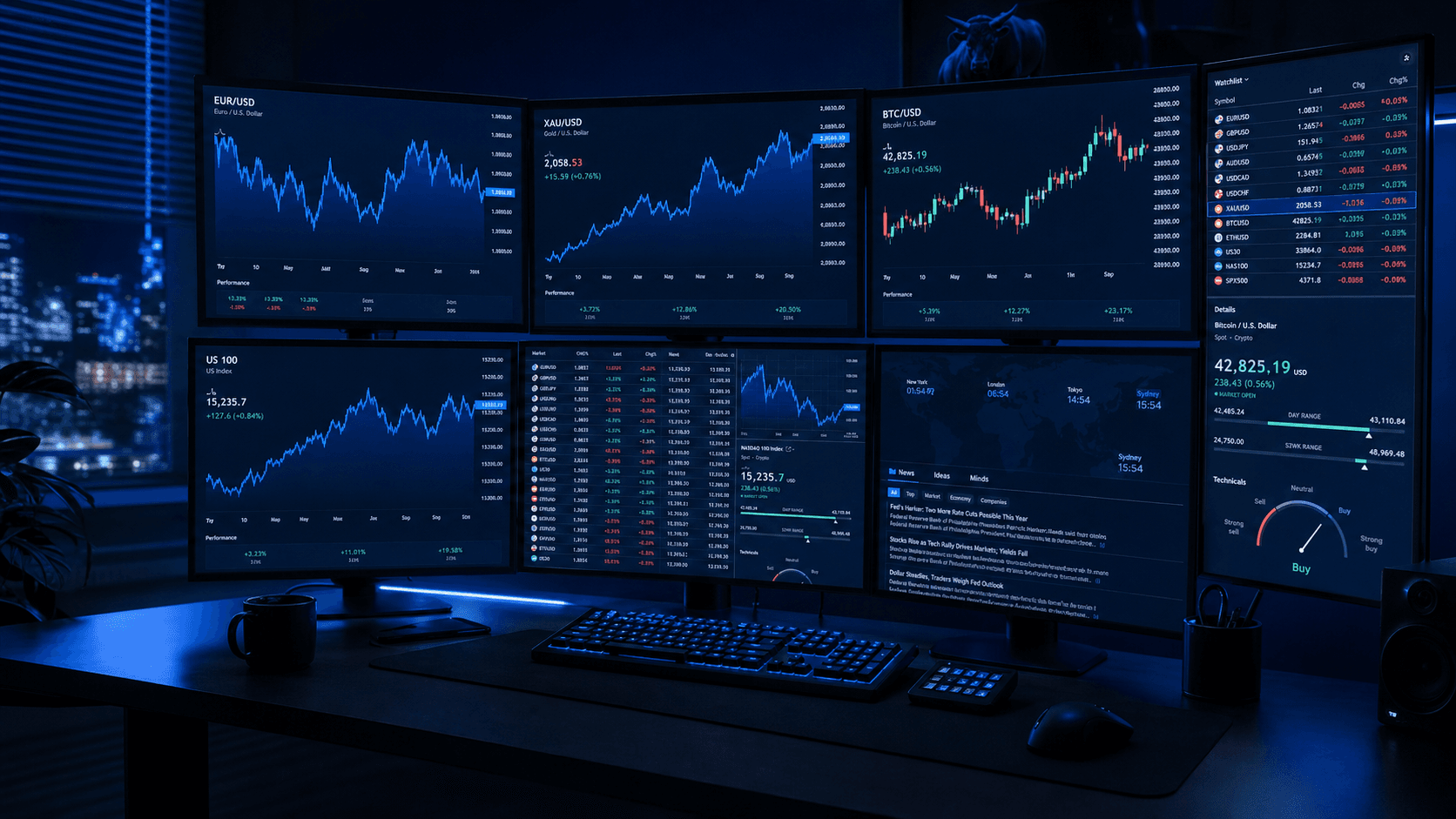
Before starting trading, it is important to understand the types of assets or instruments available on the platform. This article discusses the general categories of trading instruments commonly found on platforms like Stockity, along with their risk characteristics.
Important: Stockity Unofficial is an independent information site. The asset list, instrument availability and actual trading hours may vary at any time — always check directly on the official Stockity page for the most up-to-date list.
General Category of Trading Instruments
1. Currency (Forex)
Currency pairs such as USD/IDR or EUR/USD are traded based on exchange rate movements. Its volatility is influenced by economic news, interest rates and global market sentiment.
2. Stocks and Indices
Some platforms offer instruments that follow share price movements of large companies or global stock market indices. Movements are closely related to company performance and macroeconomic conditions.
3. Commodities
Assets such as gold, silver or oil are often used as trading instruments because they have unique volatility and movement patterns, influenced by global supply and demand.
4. Crypto
Instruments based on popular crypto assets (for example Bitcoin or Ethereum) are known to have high volatility, so potential profits and losses can be much faster than conventional instruments.
Risk Characteristics of Each Category
| Category | General Volatility | Key Driving Factors |
|---|---|---|
| Forex | Medium | Interest rates, economic data, central bank policy |
| Stocks/Indices | Medium-High | Financial reports, market sentiment, macro conditions |
| Commodities | Medium-High | Global supply-demand, geopolitics |
| Crypto | Height | Community sentiment, regulation, market liquidity |
Higher volatility means the opportunity for greater price movements in a short period of time — this can be both an opportunity and a greater risk of loss.
How to Choose Instruments According to Risk Profile
- Understand your risk tolerance. If you are not comfortable with large fluctuations, start from instruments with lower volatility.
- Learn the active hours of each instrument. Some assets are more active in certain market sessions (for example the Asian, European or American sessions).
- Use a demo account first to get to know the movement characteristics of each instrument without risking real funds.
- Don't concentrate all your capital on one instrument which has very high volatility if you are not experienced.
- Follow relevant news with the instrument of your choice, because price movements are often triggered by economic or political events.
Conclusion
Each trading instrument category has different risk characteristics and price drivers. Recognizing these characteristics helps determine which instruments suit personal experience and risk tolerance, rather than simply following trends.
The list of assets, contract specifications and current trading hours can be viewed directly at Stockity official. This article is for general educational purposes, not a recommendation or guarantee of trading results on certain instruments.
Stockity Unofficial Editorial Team
Stockity Unofficial is an independent information portal and not the official Stockity website.