Operating Hours and Best Trading Times on Stockity
Understand the concept of global market sessions, when volatility typically increases, and how to choose trading times that suit your schedule and trading style.

The trading time chosen can influence how active the price movement of an instrument is. This article discusses the general concept of global market sessions and how to adapt them to individual trading styles.
Important: Actual operating hours and instrument availability on the platform may vary and change at any time. Always check the official schedule on the Stockity page for current information.
Getting to Know Global Market Sessions
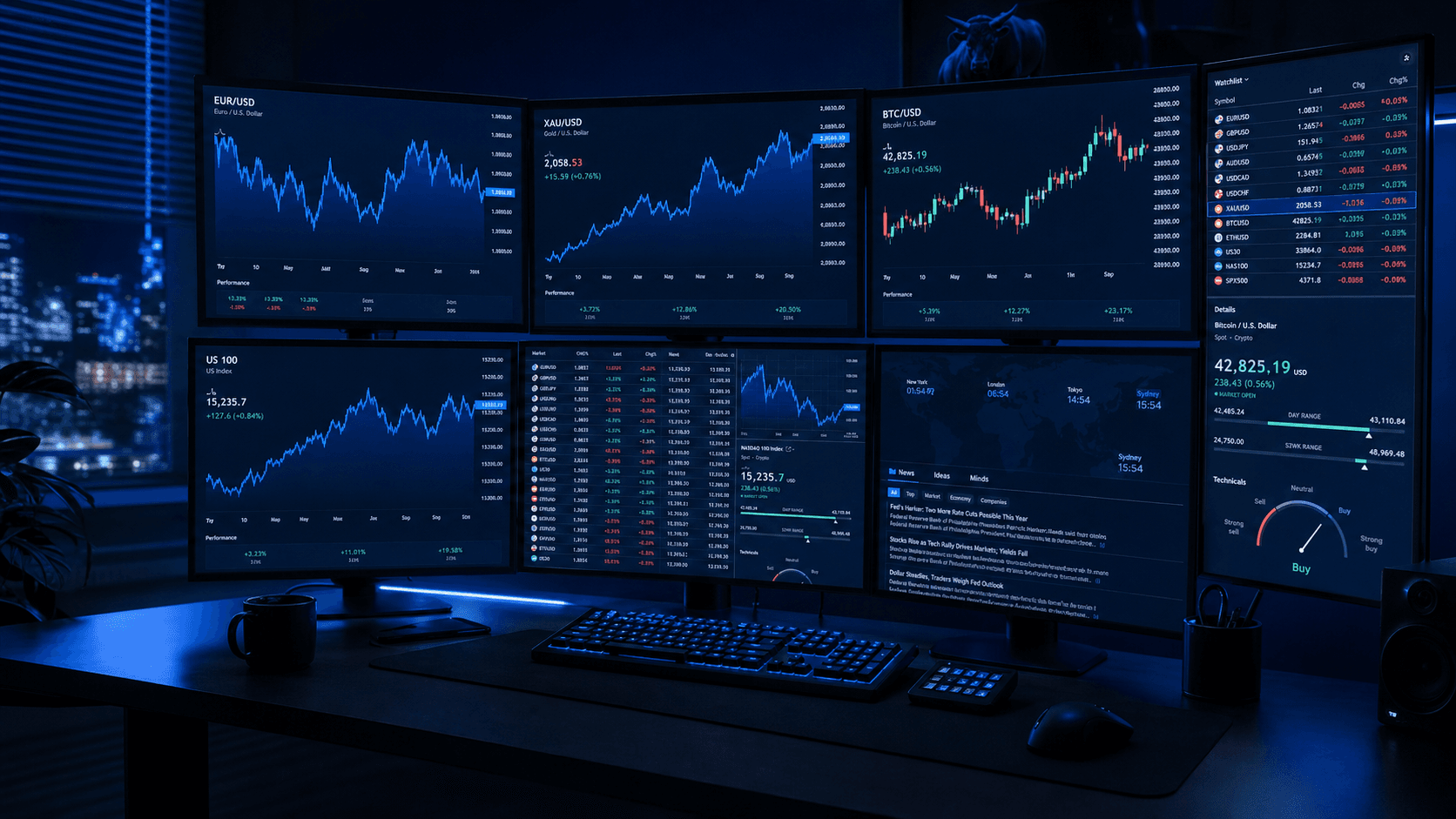
Global financial markets are generally divided into sessions based on the time zones of the major financial centers:
- Asian Session — includes trading hours in regions such as Tokyo and Singapore.
- European Session — includes trading hours in regions such as London.
- American Session — includes trading hours in regions such as New York.
When two sessions overlap (e.g. European and American), market liquidity and volatility tend to increase as more participants are active simultaneously.
Why Trading Time Matters
- Volatility varies throughout the day. During quiet hours, price movements can be very slow (choppy), while during overlapping sessions, movements can be faster and wider.
- Scheduled economic data releases (e.g. employment data or interest rates) can trigger sudden spikes in volatility at certain hours.
- Crypto instruments tend to be traded almost 24 hours a day, so the session patterns are different from conventional forex or stocks.
Tips for Choosing Trading Time
- Adjust to the time zone where you live so you can monitor your position without sacrificing rest time.
- Know the important economic news release schedule and consider the risks before opening a position close to that time.
- Try out on a demo account at different hours to see for yourself the character of price movements in each session.
- Don't force yourself to trade when you're tired or late at night just because volatility is high — physical condition affects the quality of decisions.
- Set a consistent trading schedule according to your daily routine, instead of monitoring the market all the time without a break.
Conclusion
There is no one “best time” that applies to everyone — what is important is understanding the nature of market sessions, adapting them to personal routines, and remaining disciplined on a set schedule. Use a demo account to recognize price movement patterns at different hours before applying them to a real account.
The current operating schedule and hours can be checked directly at Stockity official. This article is for general educational purposes, not a guarantee of trading results at certain hours.
Stockity Unofficial Editorial Team
Stockity Unofficial is an independent information portal and not the official Stockity website.